A hands-on cooking class in a Santorini cave house or family farm is one of the best half-days on the island: you learn to prepare the island's signature dishes with local ingredients and finish with a wine-paired lunch you've cooked yourself.
In this guide
Santorini's cuisine is distinct from mainland Greek food. The volcanic soil produces tomatoes that are tiny, intensely sweet, and full of flavour. The yellow split peas grown here make a fava (creamy puree) that's nothing like the supermarket version. The white aubergines and capers are local specialities. And the wines, Assyrtiko above all, are the perfect pairing.
A cooking class puts all of this in your hands. You'll typically spend 3-4 hours preparing 3-5 dishes under the guidance of a local chef, learn why the volcanic soil matters, and eat everything at a long table with local wine. Most classes are rated 4.9/5.0 on review platforms, which tells you something about the consistency of the experience.
What Does a Typical Class Include?
| Element | Details |
|---|---|
| Duration | 3 hours (standard group) or 4-5 hours (private) |
| Price | From about 130 EUR per person (group), 500+ EUR (private for 2) |
| What you cook | Typically 3-5 dishes: fava, tomatokeftedes (tomato fritters), fresh salad, a main course, dessert |
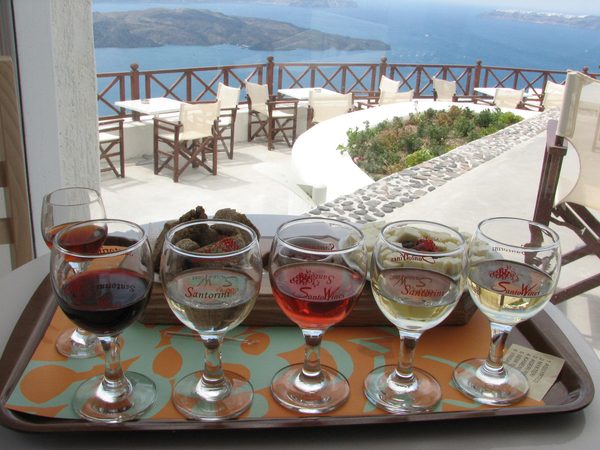
| Wine | Local wine tasting included in most classes, paired with the dishes you've made |
| Meal | Full lunch or dinner -- you eat what you cook |
| Setting | Cave house, family farm, or traditional kitchen (varies by operator) |
| Group size | Small group (6-12) or private |
| Pickup | Many operators include hotel pickup and drop-off |
The structure varies by operator, but most follow the same pattern: arrive, meet the chef, learn about the ingredients, cook together, then sit down to eat.
What Will You Learn to Cook?

The dishes are specifically Santorinian, not generic Greek taverna food. Common recipes include:
- Fava. The island's famous yellow split-pea puree. Santorinian fava is smoother and sweeter than versions elsewhere in Greece, thanks to the volcanic soil.
- Tomatokeftedes. Fried tomato fritters made with Santorini's cherry tomatoes, onion, and herbs. Crispy outside, sweet and tangy inside.
- Melitinia. Traditional cheese pastries made with local soft cheese, flavoured with mastic.
- Fresh Greek salad with Santorini tomatoes and capers
- White aubergine dishes. Stuffed, grilled, or prepared as a dip
- Baklava or another dessert
The recipes are usually provided to take home, so you can attempt them in your own kitchen (though Santorini tomatoes in a London supermarket will never be the same).
The fava was the dish that impressed me most. At home it's a forgettable side dish. In a Santorini cooking class, made with local split peas and good olive oil, it becomes something entirely different. The chef explained that the volcanic soil concentrates the sugars, and you could taste it.
How Do the Classes Work?
Morning Classes
Typically start around 10:00-10:30 and run until 13:00-14:00. You cook, eat lunch, and have the afternoon free. This is the most popular timing.
Evening Classes
Some operators run evening sessions that end with dinner. These are less common but good if your mornings are booked with sightseeing.
Private vs Group
Group classes (6-12 people) are sociable and more affordable. Private classes (2-4 people) cost more but give you the chef's undivided attention and can be customised to your interests or dietary needs.
With Vineyard/Farm Visit
Some classes begin with a visit to a local farm or winery to pick ingredients or learn about Santorini's agricultural traditions. The wine-tour operator behind Santorini Wine Adventure also offers a cooking class that includes a vineyard visit.
How Do You Book?
- Viator and GetYourGuide list multiple operators with reviews, prices, and free cancellation. Easiest for comparison shopping.
- WineTourSantorini.com runs private cooking classes with a morning focus and wine pairing.
- Cozymeal offers classes with local chefs if you want a more intimate, home-kitchen experience.
- Direct booking with individual operators is sometimes cheaper. Check TripAdvisor's "Santorini Cooking Classes" listing for operator websites.
Book 2-3 days ahead in summer. The popular operators fill up quickly.
What Should You Know Before Going?
- Most classes include hotel pickup. Check when booking. This saves you arranging transport.
- Wear comfortable clothes. You'll be standing, chopping, and moving around a kitchen for 3+ hours.
- Come hungry. The lunch is substantial. Don't eat a big breakfast beforehand.
- Dietary restrictions: Most operators can accommodate vegetarian, vegan, or gluten-free with advance notice. Ask when booking.
- You'll leave with recipes. Printed or emailed. They work at home too, though the ingredients won't taste quite the same.
- The wine is included in most classes but check the details. Some operators pair 2-3 wines with the meal; others include a more extensive tasting.
- Free cancellation is standard on major booking platforms if you book through Viator or GetYourGuide (typically up to 24 hours before).
- Children are welcome at most classes. Check the age policy with the operator if you're bringing kids.
When Is the Best Time to Book a Cooking Class?
Any time of year that you're on Santorini. Cooking classes run year-round, though fewer operators are active in winter.
Summer offers the best local produce: Santorini tomatoes are at their peak from July to September.
Morning classes are preferable in summer (cooler, and you get the afternoon for the beach).
Book early if visiting in July-August. The top-rated operators are often fully booked a week or more in advance.
Cooking classes run 3-5 hours. Prices from about 130 EUR per person for a group class, including lunch and wine. Hotel pickup usually included. Book 2-3 days ahead in summer.
Planning more adventures on the island? Browse our complete guide to the best day trips from Santorini.
Last updated: